Guide
Waterproof Work Boots With Safety Toes: How Each One Keeps Water Out
By The Boot Yard editors · Updated 2026-11-08 · How we research
We may earn a commission when you buy through links on this page.
Short answer
For truly dry feet, match the build to the water. Standing water or mud: a tall rubber safety boot such as the Muck Chore Classic. Wet grass, rain and puddles: a leather boot whose maker names a waterproof membrane or liner, with a shaft taller than the water you stand in. Treat "water resistant" and "waterproof leather" alone as weaker claims.
Waterproof work boots are supposed to end the day with dry socks, yet a complaint that comes up again and again in work-boot forums is the opposite: by lunchtime the socks are damp, the box said waterproof, and the boot is only a few months old. Before you blame the brand, work out where the water got in. It is usually one of four places: over the collar, through a leather-only upper, through a split or cut, or from the inside as sweat.
Makers don't all mean the same thing by "waterproof". In our catalogue of 60 safety-toe models, 30 make a waterproof claim, and they back it five different ways: a named membrane or liner, a named brand system that doesn't describe its construction, sealed seams, waterproof leather alone, or solid rubber. Another eight say only "water resistant" or "water repellent", and one has conflicting claims. The picks above are grouped by the kind of wet they suit, and the table below shows which camp every boot falls into.
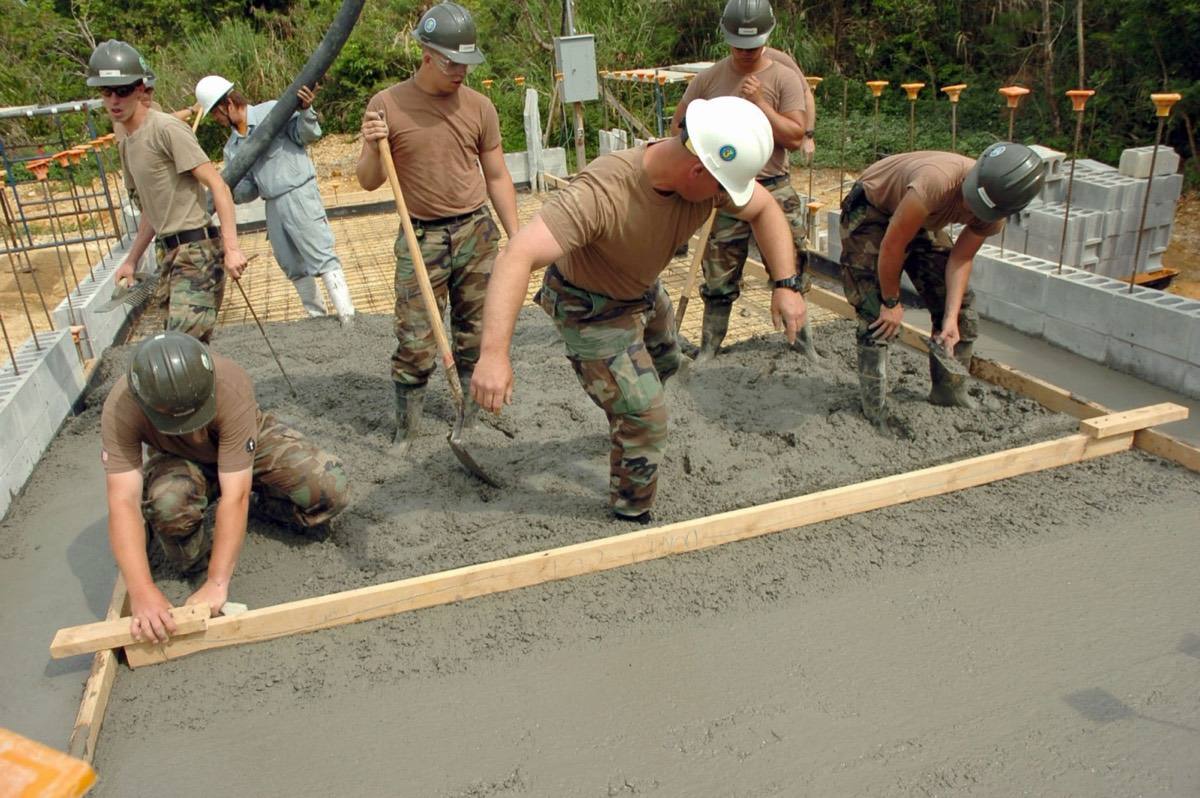
Waterproof safety-toe boots, by kind of wet
1. Best for standing water, mud and washdown
Muck Boot Company Chore Classic Men's Steel Toe Boot
A 16-inch rubber boot with a 5 mm neoprene bootie that Muck calls "100% Waterproof, 100% MUCKPROOF". Muck's safety wording is "CERTIFIED IMPACT & COMPRESSION (ASTM OR CAN/CSA); ASTM Certified Against Electrical Hazard; ASTM F3445 slip-resisting". It has no separate I/C line, so check the label in the boot you receive.
Buy it if: Farms, concrete pours, wash bays and drainage work where water goes over a 6-inch shaft. Skip it if: You climb ladders all day or need a lace-up for ankle hold; Muck lists only a Medium (D) width.
- Safety toe
- Steel toe
- Rating line
- CERTIFIED IMPACT & COMPRESSION (ASTM OR CAN/CSA); ASTM Certified Against Electrical Hazard; ASTM F3445 slip-resisting
- Height
- 16 in
- Waterproof
- 100% Waterproof, 100% MUCKPROOF
- Widths
- Medium (D)
Specs: Muck Boot Company product page (style CHS000A) (2026-11-09); Amazon listing (brand store) — rating line only (2026-11-09)
2. Best membrane lace-up for rain and wet grass
KEEN Utility Pittsburgh 6" Waterproof Boot (Steel Toe)
KEEN names its KEEN.DRY waterproof, breathable membrane and rates the boot "Meets ASTM F3445-21 and F2413-18 M I/75 C/75 EH standards". The published shaft is 7.01 in, taller than the 6" name suggests, and KEEN specifies a 90-degree heel for ladders and scaffolding.
Buy it if: Outdoor trades in wet weather who need EH and a tested slip claim. Skip it if: You want a narrow fit or a sub-$150 boot; check the live price on the card.
- Safety toe
- Steel toe
- Rating line
- Meets ASTM F3445-21 and F2413-18 M I/75 C/75 EH standards
- Height
- 7.01 in
- Waterproof
- KEEN.DRY waterproof, breathable membrane
- Construction
- cement
- Widths
- Regular, Wide
Specs: KEEN product page (2026-11-09)
3. Best-value membrane boot
Wolverine Floorhand Waterproof Steel-Toe 6" Work Boot
Wolverine pairs a "breathable, waterproof membrane" with waterproof full-grain leather and prints "ASTM F2413-18 M I/75 C/75 EH". It is a cement-construction boot, a build generally not designed for resoling, but it has usually been one of the cheapest membrane boots in our catalogue at around $100.
Buy it if: First-time buyers who need a waterproof EH steel toe on a budget. Skip it if: You want a boot you can resole later.
- Safety toe
- Steel toe
- Rating line
- ASTM F2413-18 M I/75 C/75 EH
- Height
- 6 in
- Waterproof
- Breathable, waterproof membrane; waterproof full-grain leather upper
- Construction
- cement
- Widths
- M, EW
- Maker also claims
- slip-resistant outsole
Specs: Wolverine product page (2026-11-09)
4. Best tall pull-on with a named waterproof system
Irish Setter Marshall 11-inch Waterproof Leather Safety Toe Pull-On Boot
Irish Setter lists its UltraDry Waterproofing System and rates the boot "ASTM F2413-24, I/C, EH SR". The 11-inch shaft covers deeper puddles than any lace-up 6-inch here, and the Goodyear welt can be resoled. Resoling with an approved process matters, though; see the care section.
Buy it if: Ranch, yard and oil-field work where you step in and out of mud all day. Skip it if: You kneel a lot or need a snug ankle; pull-ons rely on instep and heel fit.
- Safety toe
- Steel toe
- Rating line
- ASTM F2413-24, I/C, EH SR
- Height
- 11 in
- Waterproof
- UltraDry™ Waterproofing System
- Construction
- Goodyear welt
- Widths
- D, EE
- Maker also claims
- heat-resistant outsole
Specs: Irish Setter product page (2026-11-09)
5. Best tall lace-up, composite toe
Carolina Linesman: 10" Waterproof Work Boot (Comp Toe)
Carolina lines the boot with its Scubaliner waterproof lining and says the composite toe meets ASTM F2413-18 for compression and impact; the page lists "Electrical Hazard Rated" and a Vibram oil- and slip-resisting outsole. Carolina publishes no single rating line, so read the tongue label.
Buy it if: Linemen and utility crews in wet ground who want 10 inches of lace-up support. Skip it if: Your budget is under $250; this is the dearest boot in this list.
- Safety toe
- Composite toe
- Height
- 10 in
- Waterproof
- Waterproof SCUBALINER™
- Construction
- welt
- Widths
- D, 2E
- Maker also claims
- slip-resistant outsole
Specs: Carolina Shoe product page (2026-11-09)
6. Best logger-style waterproof boot
Georgia Boot Georgia Boot Steel Toe Waterproof Logger Boot
An 8-inch logger that Georgia covers with "Georgia Waterproof - 100 percent guaranteed", stating ASTM F2413 protective toe classification and the ASTM F2413 electrical hazard standard. A removable kiltie and hooks set on steel washers suit brush and mud.
Buy it if: Timber, land-clearing and wet outdoor work in rough ground. Skip it if: You want a light boot; Georgia publishes about 6.1 lb per pair in size 10.
- Safety toe
- Steel toe
- Rating line
- ASTM F2413 protective toe classification; ASTM F2413 electrical hazard standard
- Height
- 8 in
- Waterproof
- Georgia waterproof system
- Construction
- Goodyear welt
- Widths
- D, EE
Specs: Georgia Boot product page (2026-11-09)
7. Composite-toe membrane boot
Timberland PRO Boondock 6" Composite Toe Waterproof
Timberland PRO's listing describes a waterproof membrane that "meets ASTM F1671-07" (a separate ASTM test from the F2413 footwear spec) and an all-weather TPU outsole for wet and frosted surfaces. Toe protection is stated as ASTM F2413-18 impact and compression, with EH.
Buy it if: Cold, wet outdoor work where a non-metal toe is preferred. Skip it if: You need a published shaft height above 6 inches or a resoleable welt.
- Safety toe
- Composite toe
- Height
- 6 in
- Waterproof
- Waterproof Membrane: Delivers maximum waterproof protection and meets ASTM F1671-07 safety standard.
- Maker also claims
- slip-resistant outsole
Specs: Amazon listing (brand store) (2026-11-09)


Product prices and availability are accurate as of 2026-11-13 and are subject to change. Amazon prices are for the size and colour linked and vary by size. Specs are the makers' published figures; we don't wear-test boots.
Why boots labelled waterproof still leave wet socks
Each cause has a different fix, so it pays to identify yours before buying again. Turn the sock inside out at the end of the shift: a wet band around the ankle points to the collar, a wet patch at the ball of the foot points to the flex crease, and evenly damp socks with dry boot lining usually mean sweat.
The list below is in the order we would check them. Most of these causes are visible on the boot itself, so look before you file a warranty claim or order a replacement.
- Water over the top. A 6-inch shaft is about 6 inches from the ground, minus the sole. Standing in a deeper puddle or kneeling in wet ground floods any boot, waterproof or not. Fix: a taller shaft or rubber.
- Leather doing all the work. Some boots claim "waterproof leather" with no membrane mentioned. Treated leather resists water, but seams, tongue gussets and flex creases are where it gives up first. Fix: look for a named membrane or liner.
- "Water resistant" read as waterproof. Carhartt, for example, says its Rain Defender treatment keeps feet dry "in light rain". That is an honest claim, but it is not the same promise.
- Damage. A cut in the upper or a crack at the flex point lets water past any membrane. Inspect the forefoot crease when socks start getting wet in one spot.
- Sweat. On a long shift in a warm boot, damp socks can come from inside. Makers that call their membranes breathable (KEEN, Wolverine, Ariat, Carhartt) are addressing exactly that; rubber boots do not breathe at all.
Membrane, sealed seams, leather or rubber: who uses what
The table groups all 30 waterproof safety-toe models we track by the maker's own description. It does not rank one method over another; no test in our source register compares them. It shows what each maker actually promises, which is the first thing to check when a listing just says "WP".
How to read it: a named membrane or liner tells you there is a separate waterproof layer inside the boot, so the leather can scuff without the boot leaking. A named system without a description is a brand promise you can hold the maker to, but you don't learn how it is built. Seam-sealed leather relies on the leather and the sealed stitching together. Leather-only claims are the weakest of the leather options for all-day wet work. Rubber is the only group that is waterproof by material rather than by treatment or lining.
Twelve of the 30 name a membrane or lining, which makes it the most common approach among the waterproof safety-toe boots we track. If you have been let down by a boot in the leather-only row, moving up to the membrane row is the obvious next step.
| Method (maker's wording) | Models | Examples and exact wording |
|---|---|---|
| Named membrane or lining | 12 | KEEN.DRY (Pittsburgh, Cincinnati, Evanston x2); Wolverine "breathable, waterproof membrane" (Floorhand WP, Raider); Timberland PRO membrane "meets ASTM F1671-07" (Boondock, Keele Ridge, TiTAN EV); Carolina Scubaliner (28 Series, Linesman); Brunt "Waterproof membrane" (Sullivan) |
| Named brand system, construction not described | 8 | Irish Setter UltraDry (Wingshooter ST, Marshall); Ariat DRYShield (Groundbreaker Chelsea, WorkHog); Carhartt Storm Defender (6" moc wedge); Georgia waterproof system (logger, Giant Chelsea); Rocky waterproof construction (Blizzard Stalker) |
| Seam-sealed leather | 3 | Timberland PRO "seam-sealed waterproof leather" (Direct Attach men's and women's); Cat "seamed seals" (Threshold) |
| Waterproof leather, no membrane mentioned | 5 | Wolverine Overpass, Rancher Level Chelsea, women's Floorhand; Cat Mae, Cat Echo |
| Rubber with neoprene | 2 | Muck Chore Classic, Muck Arctic Sport ("100% Waterproof, 100% MUCKPROOF") |
"Water resistant" is a different promise
These models are in our catalogue but are not counted as waterproof work boots, because their makers don't claim it. Several are good boots for dry or mostly dry work. Just don't buy them for puddles. If the job is indoors on dry floors with the odd wet patch, a water-resistant boot is often lighter and cooler than a membrane boot, and that can be the better trade.
- Carhartt Women's Frontier Chelsea: Rain Defender "repels water to keep your feet dry in light rain".
- Danner Bull Run Chelsea: Danner's spec table says "Non-Waterproof" and the key details say water-resistant.
- New Balance Speedware and Calibre: listed as water resistant.
- KEEN Flint Low: "water resistant nubuck leather uppers".
- Skechers Rotund Darragh: treated with Scotchgard "to resist water and stains".
- HEYDUDE Bradley II and Wendy Work: upper treated with water-repellent spray.
- Nortiv 8 Paladin steel toe: the Amazon listing says waterproof, but the brand's own site describes a breathable upper and makes no waterproof claim, so we treat its waterproofing as unverified.
Match the shaft to the water depth
Height is the cheapest predictor of dry feet. A membrane only works up to the point where the boot stops. The chart shows the published shaft or full heights of the waterproof picks. Two cautions: KEEN publishes its measured shaft, which can differ from the model name, and some makers quote full height including the heel.
To pick a height, think about the deepest water you stand in, not the average. A concrete pour, a flooded trench or a wash bay floor can be over a 6-inch shaft in seconds; that is rubber-boot territory. Rain, wet grass, dew and shallow puddles are what 6- to 8-inch membrane boots are built for. Kneeling is the hidden case: a kneeling worker's boot collar sits close to the ground, so water at the knee pad reaches the shaft opening of almost any lace-up. Tall pull-ons like the 11-inch Marshall and the 10-inch Linesman cover the in-between jobs, such as yard work in mud, where rubber is too hot for a full day.
Is a wet boot still EH-rated?
Waterproof and electrical hazard protection are separate properties, and wet conditions affect the second. The ASTM F2413 EH test is run on dry footwear: 18,000 V at 60 Hz for one minute with no more than 1.0 mA of leakage, according to Thorogood's summary of F2413-18. CCOHS states that shock resistance deteriorates with wear and in a wet environment. A membrane keeps your sock dry; it does not keep a soaked outsole and upper from conducting.
If you work around live circuits in wet conditions, the EH mark on a waterproof boot is not the protection to rely on. Your employer's hazard assessment and the boot's label decide what is required, and electrical work in water usually calls for other controls entirely.
Slip resistance is the other wet-weather code worth reading. It is optional in the US unless the maker claims it (SATRA), and "slip resistant" with no standard named is weaker than a stated ASTM F3445 result. KEEN's Pittsburgh and Muck's Chore Classic name F3445; Wolverine's Floorhand says only "slip-resistant outsole".
What the F3445 result means, per SATRA's summary of F3445-24: SR requires a coefficient of friction of at least 0.40 on quarry tile both dry and wet, and SRO adds at least 0.33 on an oily wet surface. A wet concrete deck, a wet steel plate and an icy step are not the test surface, so a passing result is a floor, not a promise for every surface you walk on.
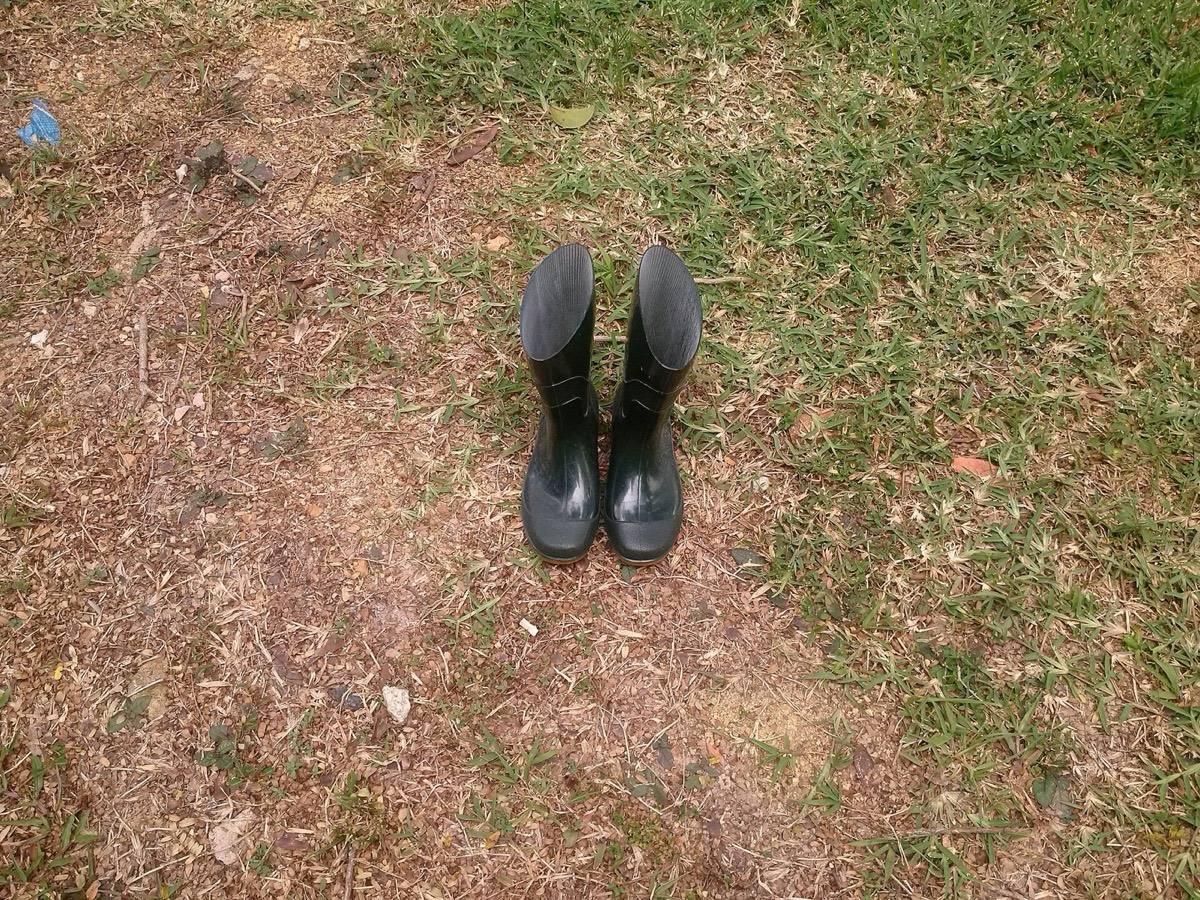
Breathable or sealed: choose for your shift
Rubber keeps every drop out from outside and every drop of sweat in. For a two-hour wash-down that is fine; for a ten-hour shift in warm weather many workers prefer a membrane leather boot and accept that deep water is off limits. Makers' "breathable" claims (KEEN.DRY, Wolverine's membrane, Ariat DRYShield, Carhartt Storm Defender) are marketing descriptions; no standard in our register tests breathability, so we don't score it. On the boots in our picks, the membrane boots list a mesh or wicking lining as well, which is the part that moves sweat away from the sock.
Socks matter as much as membranes. A moisture-wicking work sock and a spare pair at lunch solve more "leaking boot" complaints than a new boot does, because a sweat-soaked sock feels exactly like a leak.
Cold makes the choice harder. In winter, wet and cold arrive together, and a damp sock loses warmth fast. Several waterproof boots here also come in insulated versions, and the Rocky Blizzard Stalker in the table combines a waterproof build with 1,200 grams of Thinsulate Ultra insulation by Rocky's own description. If your wet season is also your cold season, compare both pages before you buy.
Keep the waterproofing working
Clean off mud and concrete at the end of the day; dried concrete is alkaline and hard on leather. Dry boots at room temperature with the insole out rather than against a heater. Re-treat leather with the conditioner or proofing the maker recommends.
Check the guarantee. Georgia Boot writes "100 percent guaranteed" and Rocky "Guaranteed Rocky Waterproof construction", so a leak on those may be a warranty claim rather than a replacement purchase. Keep your receipt and the box label, since warranty departments often ask for the style number printed inside the tongue.
Be careful with resoling and insoles. The ASTM F2413-24 abstract states that after-market footbeds, inserts or resoling could make the ASTM marking invalid. A welted boot like the Irish Setter Marshall or Carolina Linesman can be resoled, but ask the maker which resole keeps the safety rating. For more picks across all categories, see the best steel toe boots hub; for cold and wet together, the insulated work boots page covers the overlap.
Questions people ask
- What work boots are 100% waterproof?
- Moulded rubber boots come closest, because there are no stitched seams for water to find: Muck describes the Chore Classic as "100% Waterproof". A leather boot with a membrane is waterproof up to its shaft height while the membrane is undamaged. Leather-only and water-resistant boots are not.
- Do waterproof work boots make your feet sweat more?
- They can, because anything that blocks water from outside also slows moisture going out. Rubber boots don't breathe at all; membrane boots are sold as breathable, but no standard measures it. Wicking socks and a mid-shift sock change help most.
- Can I make my steel toe boots waterproof with a spray?
- A proofing spray or wax improves water resistance on leather, but it won't seal seams or replace a membrane. Use the treatment the maker recommends, and avoid products that soften the sole bond.
Sources & further reading
- r/WorkBoots thread on waterproof boots that leak (worker opinion)
- Quora: Are waterproof boots really waterproof? (worker opinion)
- Thorogood, A Guide to ASTM Ratings and OSHA Work Boots (quotes ASTM F2413-18)
- ASTM F2413-24 abstract (ASTM International)
- CCOHS OSH Answers: Safety Footwear
- SATRA Bulletin, Updates to US slip resistance standards (Oct 2024)
- OSHA 29 CFR 1910.136 Foot protection
- Muck Boot Company Chore Classic Men's Steel Toe Boot: Muck Boot Company product page (style CHS000A) (read 2026-11-09)
- KEEN Utility Pittsburgh 6" Waterproof Boot (Steel Toe): KEEN product page (read 2026-11-09)
- Wolverine Floorhand Waterproof Steel-Toe 6" Work Boot: Wolverine product page (read 2026-11-09)
- Irish Setter Marshall 11-inch Waterproof Leather Safety Toe Pull-On Boot: Irish Setter product page (read 2026-11-09)
- Carolina Linesman: 10" Waterproof Work Boot (Comp Toe): Carolina Shoe product page (read 2026-11-09)
- Georgia Boot Georgia Boot Steel Toe Waterproof Logger Boot: Georgia Boot product page (read 2026-11-09)
- Timberland PRO Boondock 6" Composite Toe Waterproof: Amazon listing (brand store) (read 2026-11-09)
- Carhartt Women's Frontier Water Resistant Steel Toe Chelsea: Carhartt product page (read 2026-11-09)
- Danner Bull Run Chelsea 6" Brown - Steel Toe: Danner product page (style 15484) (read 2026-11-09)
- Nortiv 8 [Paladin-Steel] Men's Non-Slip Steel-Toe Work Boots: nortiv8.com product page (JS19004M-STEEL) (read 2026-11-09)
- Rocky Blizzard Stalker Steel Toe Waterproof 1200G Insulated Work Boot: Rocky product page (style FQ0007465) (read 2026-11-09)
Read next
- Slip On Work Boots
Slip on work boots with steel or composite safety toes: 11 pull-ons compared by height, waterproofing and ASTM wording, plus a fit checklist for laceless boots.
- Construction Boots
Construction boots for new and working tradespeople: which ASTM codes a site calls for, what PR puncture resistance means, mud and ladder features, and 7 picks.
- Best Steel Toe Boots
Best steel toe boots for 2026: 8 picks across budget, waterproof, metal-free, EH, met guard, women's, slip-on and western, each with its published ASTM line.
- Electrician Boots
Electrician boots need an EH line on the label, not just a composite toe. What the 18,000 V test covers, EH vs SD vs Cd, lineman boots and six EH-rated picks.
Part of Best Steel Toe Boots. Back to the The Boot Yard home page.
The Boot Yard editors · Editorial team
The Boot Yard's catalogue and guides are compiled by the site's editorial team from makers' published product pages, ASTM F2413 rating lines and OSHA's foot-protection rules. We do not wear-test boots, and we never claim to: every spec on the site links to the page it came from.
About this site · How pages are checked · Last updated November 8, 2026
As an Amazon Associate, The Boot Yard earns from qualifying purchases. It costs you nothing extra and never decides which boots we list.
The Boot Yard is an independent site. It is not affiliated with ASTM International, OSHA or any boot brand. Brand names and trademarks belong to their owners. Our guides explain published standards; your employer's safety program and the boot's own label decide what you must wear.