Guide
Comfortable Steel Toe Shoes for 12-Hour Shifts on Concrete
By The Boot Yard editors · Updated 2026-11-08 · How we research
We may earn a commission when you buy through links on this page.
Short answer
Comfort in a safety shoe comes from fit first: about half an inch of room past your longest toe, a width that keeps the toe cap off your little toe, and a heel that doesn't lift. Then look for the cushioning the maker names (EVA or PU midsole, removable footbed). Our picks start with the KEEN Flint Low and Skechers Cankton.
“What are the Best Steel toe boots, or inserts for steel toe boots, for walking / standing on concrete for 12 + ...” — that r/WorkBoots thread title is the question behind most searches for comfortable steel toe shoes, and the honest answer has two halves. One half is the shoe: a few makers publish real comfort features, such as a roomier toe box, a named midsole foam, a removable footbed or a choice of widths. The other half is you: the same shoe that suits one worker for a full shift crushes another worker's little toe by lunch.
This page does not rate comfort by feel. It sets out what each maker states about cushioning and fit, what the ASTM F2413 label promises (protection, not comfort), and the fit checks that makers and Canada's safety agency CCOHS publish. It also answers the two questions that come up in the same threads: what helps when you stand on concrete all day, and whether an insole is safe to add to a rated boot.
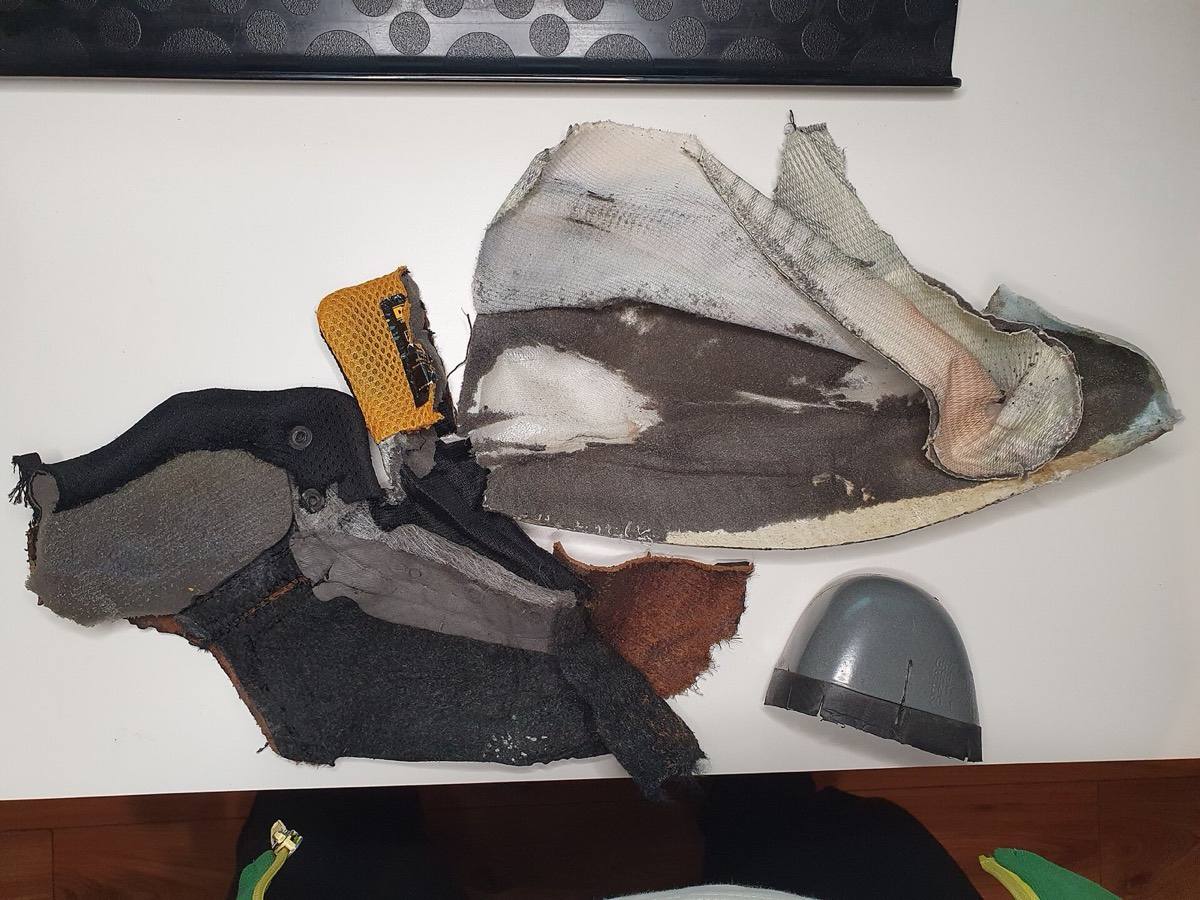
Comfort-focused safety shoes and boots
1. Low shoe with a roomier steel toe box
KEEN Utility Flint Low Steel Toe Work Shoe
KEEN says its steel toe design “provides a roomier toe box”, and pairs it with a compression-molded EVA midsole and a removable insole. The rating line reads “F2413-18 I/75 and C/75 EH”, and it comes in medium and wide. KEEN publishes 21.80 oz per shoe.
Buy it if: Warehouse and shop floors where a low shoe is allowed and the little toe is the problem. Skip it if: Your site requires ankle coverage or the upper must be waterproof (KEEN calls it water resistant).
- Safety toe
- Steel toe
- Rating line
- Meets ASTM F2412-18 testing standards; F2413-18 I/75 and C/75 EH Standards
- Widths
- M, Wide
- Maker also claims
- slip-resistant outsole
Specs: Amazon listing (brand store) (2026-11-09)
2. Budget relaxed-fit steel toe shoe
Skechers Work Relaxed Fit: Cankton ST
Skechers builds the Cankton on its Relaxed Fit design, which it describes as “a roomy comfortable fit”, with a Memory Foam insole. Skechers states the steel toe meets ASTM F2413 impact and compression and that the shoe is EH tested. Medium and wide, usually under $100.
Buy it if: A first pair of comfortable steel toe shoes on a tight budget. Skip it if: You need a published slip-resistance claim; Skechers makes none for this model.
- Safety toe
- Steel toe
- Rating line
- Steel safety toe meets ASTM F2413 impact and compression standards. ... Electrical Hazard (EH) safe design tested ASTM-F2413
- Widths
- Medium, Wide
Specs: Skechers product page (style 77055) (2026-11-09)
3. Lightest-feeling option in extra-wide sizes
Reebok Work Sublite Cushion Work - RB4041
Reebok Work lists a Sublite EVA cushion midsole, a removable cushion footbed, an “Extra Wide Toe” and the description “Extremely Lightweight and Flexible”. The toe is alloy, not steel, under an ASTM F2413 rating with EH. Widths are M, W and 4E.
Buy it if: Wide feet that want an athletic-shoe build. Skip it if: Your employer specifies a steel cap rather than any F2413 safety toe.
- Safety toe
- Alloy toe
- Rating line
- ASTM F2413
- Widths
- M, W, 4E
- Maker also claims
- slip-resistant outsole
Specs: Reebok Work product page (2026-11-09)
4. Boot with a 30-day comfort guarantee
Wolverine Overpass CarbonMAX® 6" Boot
Wolverine pairs its ContourWelt construction “for comfort and flexibility” with a removable OrthoLite footbed and backs the boot with a 30-day comfort guarantee. The line reads “ASTM F2413 M/I/C EH”; the toe is a CarbonMAX composite. Medium and extra wide.
Buy it if: Anyone who needs a 6-inch waterproof boot and wants a maker guarantee if it doesn't work out. Skip it if: You want a steel cap specifically.
- Safety toe
- Composite toe
- Rating line
- ASTM F2413 M/I/C EH
- Height
- 6 in
- Waterproof
- Premium waterproof leather with abrasion resistant toe
- Construction
- ContourWelt
- Widths
- M, EW
Specs: Wolverine product page (2026-11-09)
5. Steel toe boot with a stiff, supportive midsole
KEEN Utility Pittsburgh 6" Waterproof Boot (Steel Toe)
KEEN lists a dual-density EVA and PU midsole plus a full-length torsional plate it says “adds stability and comfort”, and a 90-degree heel for ladders. The rating line is “F3445-21 and F2413-18 M I/75 C/75 EH”, so slip resistance is tested to a named standard. Regular and wide.
Buy it if: Long days that mix concrete with ladders or scaffolding. Skip it if: You want a light boot: KEEN publishes 30.9 oz per shoe.
- Safety toe
- Steel toe
- Rating line
- Meets ASTM F3445-21 and F2413-18 M I/75 C/75 EH standards
- Height
- 7.01 in
- Waterproof
- KEEN.DRY waterproof, breathable membrane
- Construction
- cement
- Widths
- Regular, Wide
Specs: KEEN product page (2026-11-09)
6. Women's pull-on with an arch-support footbed
Carhartt Women's Frontier Water Resistant Steel Toe Chelsea
Carhartt fits INSITE footbeds it describes as “high rebound cushion with podiatrist designed arch support” over a lightweight EVA midsole. Carhartt states it meets ASTM F2413-24 EH and ASTM F3445-24 SR standards, with a steel toe. Sold in medium width only.
Buy it if: Women who want a slip-on boot built on a women's size run. Skip it if: You need a wide width or a waterproof boot (Carhartt says water resistant).
- Safety toe
- Steel toe
- Rating line
- Meets ASTM F2413-24 EH standards; Meets ASTM F3445-24 SR standards
- Widths
- M
- Maker also claims
- heat-resistant outsole
Specs: Carhartt product page (2026-11-09)


Product prices and availability are accurate as of 2026-11-13 and are subject to change. Amazon prices are for the size and colour linked and vary by size. Specs are the makers' published figures; we don't wear-test boots.
13 boots match.
Skechers Slip-ins Work: Nampa - Enelo
Steel toe · shoe · women's
ICEH
slip-resistant outsole (maker's claim)
Specs: Skechers product page (style 108353) (2026-11-09)
Skechers Work Relaxed Fit: Cankton ST
Steel toe · shoe · men's
ICEH
Specs: Skechers product page (style 77055) (2026-11-09)
PUMA Safety ICONIC LOW Safety shoes ASTM EH SR
Composite toe · shoe · men's
ICEHSR
heat-resistant outsole (maker's claim)
Specs: PUMA Safety product page (Safety class EH; spec list) (2026-11-09)
HEYDUDE Wendy Work CT
Composite toe · shoe · women's
ICEH
slip-resistant outsole (maker's claim)
Specs: HEYDUDE product page (style 44289) (2026-11-09)
Reebok Work Sublite Cushion Work - RB4041
Alloy toe · shoe · men's
ICEH
slip-resistant outsole (maker's claim)
Specs: Reebok Work product page (2026-11-09)
Timberland PRO Intercept Steel Toe
Steel toe · shoe · men's
ICEH
slip-resistant outsole (maker's claim)
Specs: Amazon listing (brand store) (2026-11-09)
Timberland PRO Women's Intercept Steel Toe
Steel toe · shoe · women's
ICEH
slip-resistant outsole (maker's claim)
Specs: Amazon listing (brand store) (2026-11-09)
Timberland PRO Powertrain Sport Alloy Toe
Alloy toe · shoe · men's
ICEH
slip-resistant outsole (maker's claim)
Specs: Amazon listing (brand store) (2026-11-09)
New Balance Speedware Comp Toe
Composite toe · shoe · men's
ICEHSRPR
Specs: Amazon listing (brand store) — New Balance Speedware, style MIDSPWRGR (2026-11-09)
New Balance Fresh Foam Cremorne Mid CT
Composite toe · shoe · men's
ICEHSR
heat-resistant outsole (maker's claim)
Specs: Amazon listing (brand store) — New Balance Fresh Foam Cremorne Mid CT, style MUFCMCEHCO (2026-11-09)
KEEN Utility Flint Low Steel Toe Work Shoe
Steel toe · shoe · men's
ICEH
slip-resistant outsole (maker's claim)
Specs: Amazon listing (brand store) (2026-11-09)
Skechers Slip-ins Work: Cankton - Faison
Steel toe · shoe · men's
ICEH
Specs: Skechers product page (style 200211) (2026-11-09)
Xena Workwear Astra Athletic
Composite toe · shoe · women's
ICSDPRSR
Specs: Xena Workwear product page (2026-11-09)
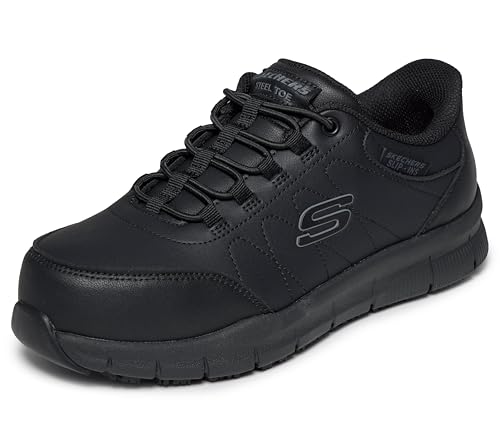


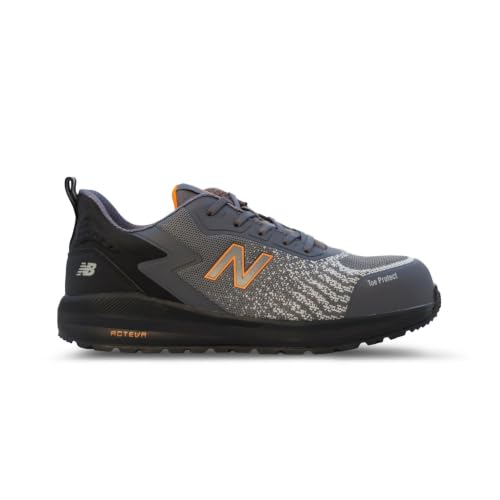


Specs are makers' published figures, linked on every card. Prices as of 2026-11-13; product prices and availability are subject to change. As an Amazon Associate we earn from qualifying purchases.
What makes a safety shoe comfortable? Start with these five checks
Every safety-toe shoe has one part that will never adapt to your foot: the toe cap. Steel, alloy and composite caps are built to keep a minimum clearance after a 75 ft-lbf impact and a 2,500 lbf compression test, so they do not soften or stretch. Comfort has to come from everything around that cap, and from choosing a size and width that keep your toes clear of it from day one.
Use these five checks before you look at any marketing word like “all-day” or “anti-fatigue”. They come from makers' own fit guides and from CCOHS, not from guesswork.
- Toe room: Thorogood says your toes should have “about half an inch of room in front of them”; CCOHS says “about 12.5 mm from the front”. Less than that and the cap presses on every step.
- Width at the cap: the widest part of your foot must sit inside the shoe without the little toe touching the cap's edge. Ariat warns “the toe box won't stretch over time”.
- Heel hold: Thorogood says “You can tell if your boots are too big if your heel comes up as you step forward.”
- Named cushioning: look for a midsole material the maker names (EVA, PU, a branded foam) and whether the footbed is removable.
- Your work socks: CCOHS says to try boots on “with the supports or socks you usually wear at work” and around midday, because feet swell during the day.
The comfort features makers actually publish
The table below lists what each maker writes about comfort for the six picks above, next to the widths it sells and its published rating line. None of these words are measured by ASTM F2413; they are the maker's own claims, and they tell you what is inside the shoe rather than how it will suit your foot.
Two patterns stand out. First, all six makers name a midsole or footbed material, but only three (KEEN for the Flint Low, Reebok Work and Wolverine) say the footbed is removable, which matters if you later want a different insole. Second, width choice varies more than cushioning: Reebok Work sells a 4E, while the Carhartt women's Chelsea comes in one width.
| Model | Style / toe | Comfort features the maker names | Widths | Rating as published |
|---|---|---|---|---|
| KEEN Utility Flint Low | Low shoe / steel | Roomier toe box; compressed EVA midsole; removable metatomical insole | M, Wide | F2413-18 I/75 and C/75 EH |
| Skechers Cankton ST | Low shoe / steel | Relaxed Fit roomy fit; Memory Foam insole; 1 1/2-inch heel | Medium, Wide | F2413 impact and compression; EH tested |
| Reebok Work Sublite Cushion RB4041 | Low shoe / alloy | Sublite EVA cushion midsole; removable massage footbed; extra wide toe | M, W, 4E | ASTM F2413 (EH stated) |
| Wolverine Overpass 6-inch | Boot / composite | ContourWelt; removable OrthoLite footbed; 30-day comfort guarantee | M, EW | ASTM F2413 M/I/C EH |
| KEEN Utility Pittsburgh 6-inch | Boot / steel | Dual-density EVA and PU midsole; torsional plate; 90-degree heel | Regular, Wide | F3445-21 and F2413-18 M I/75 C/75 EH |
| Carhartt Women's Frontier Chelsea | Pull-on / steel | INSITE footbed with arch support; lightweight EVA midsole | M | F2413-24 EH; F3445-24 SR |
Standing all day on concrete: what helps, and what no spec can promise
Concrete doesn't give, so every hour of standing loads the same parts of the foot. Google's “People also ask” box for “best steel toe boots” carries the question “What are the best work boots for 12-hour shifts?”, and r/WorkBoots has threads like “Boots that are comfy for standing all day on concrete but can handle summer and winter?”. Workers are asking for the same thing: cushioning that lasts past hour eight.
No ASTM test measures shock absorption or fatigue, and none of the makers in this catalogue publishes a cushioning number you could compare across brands. What you can compare is construction. A low shoe with an EVA midsole (Flint Low, Sublite Cushion) is lighter and more flexible; a boot with a dual-density midsole and a plate (Pittsburgh) is stiffer and spreads load. Which suits you depends on whether you mostly stand or mostly walk.
Two habits that makers do publish are worth copying for concrete work. Thorogood says rotating between pairs “allows your footwear to dry thoroughly between wears”, and Red Wing's European site advises giving boots “at least a full day off” after a few days of consecutive wear. A footbed that never dries out compresses faster.
- Mostly standing at a station: prioritise a removable footbed you can replace with a supportive one the maker approves, and a wide enough toe box.
- Walking 10+ miles a shift: a lighter low shoe, if your hazard assessment allows one.
- Ladders and scaffolds as well as concrete: a defined heel, such as KEEN's 90-degree heel on the Pittsburgh.
- Wet or oily concrete: a slip rating tested to ASTM F3445 (SR, or SRO for oily floors), not just “slip-resistant outsole” wording.
Insoles for work boots: the label rule comes first
The cheapest comfort upgrade, a new insole, is also the one with a catch. The ASTM F2413-24 abstract warns that after-market footbeds or inserts, or resoling, could make the boot's ASTM marking invalid, because the boot was certified with its original parts. CCOHS gives the practical version: “Check with the manufacturer if adding inserts affects your level of protection.”
That doesn't mean you can never change an insole. It means you should ask the maker first, start with shoes whose makers say the footbed is removable (the Flint Low, Sublite Cushion and Overpass), and leave room for the insole when you buy. Thorogood says that because insoles take up foot space “you may need to size up”, and Xena tells buyers using an after-market insole to size up by half to a full size.
One thread in our research asked for “cheap puncture resistant insoles for work shoes”. An insert sold as puncture resistant is not the same as a boot carrying the PR code on its F2413 label, which means its puncture device was tested to 270 lbf with the boot. If your job needs PR, buy a boot rated PR.
- Take out the factory footbed and stand on it. If your heel or arch hangs off its edges, the shoe's shape is the problem, not the cushioning.
- Ask the maker (email or chat) whether an after-market insole affects the F2413 marking for your model.
- Pick an insole with a firm heel cup; Thorogood says insoles should have “a good backing that keeps them centered”.
- Re-check toe room with the new insole in place. A thicker insole lifts your foot toward the toe cap.
Steel vs alloy vs composite: does the toe change comfort?
The toe material matters less than people expect. Every F2413 safety toe passes the same impact and compression tests, so none is “more protective” for that reason. The differences are weight, shape and how a cap handles cold or a metal detector.
KEEN gives the clearest published weight comparison: its carbon safety toes “weigh 15% less than steel”. But whole-shoe weight depends far more on height and build. The chart uses KEEN's own published per-shoe weights for four KEEN models: the low steel-toe Flint Low weighs less than any of the carbon-toe 6-inch boots.
Shoe or boot for a long shift?
A low safety shoe is lighter and bends more easily, which is why so many warehouse and factory workers move to one. A boot gives ankle coverage, keeps debris out and, in the 6-inch and taller sizes, usually adds waterproofing. Neither is more comfortable in general; it depends on the floor, the weather and what the job requires.
The deciding question is usually not comfort but the hazard assessment. OSHA's 1910.136 requires protective footwear where there is a danger from falling or rolling objects or objects piercing the sole, and it is your employer who decides which hazards apply. If the assessment calls for metatarsal or puncture protection, many low shoes are out. If it only needs a safety toe, you can choose by comfort.
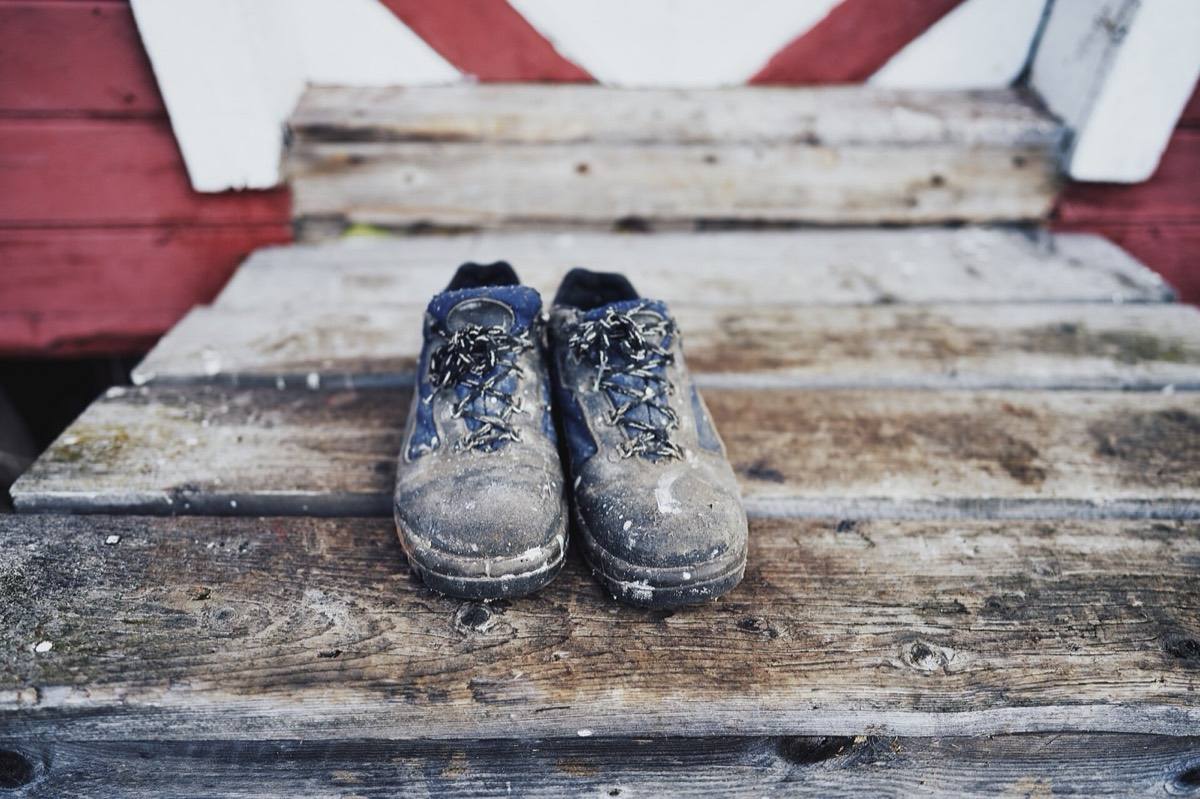
Run these fit checks on the first day
Most complaints about uncomfortable safety footwear trace back to size, not to the shoe. These checks come from Thorogood's and Ariat's fit guides and from CCOHS. Do them at home, on a hard floor, before you wear the shoes outside: several makers only accept returns on unworn footwear.
- Try them on in the afternoon, in your work socks and with any insert you plan to use.
- Stand up and press the front of the shoe: you want about half an inch between your longest toe and the end.
- Wiggle your toes. Ariat says there should be no “tightness or pinching in the toe box” on a safety toe.
- Walk up and down stairs. A heel that lifts means the size is too long or the lacing too loose.
- Check both feet. Thorogood reminds buyers it is common for one foot to be larger; fit the larger one.
- Lace fully. CCOHS says boots should fit snugly around the heel and ankle when laced.
When the problem is fit, not cushioning
If the outside of your little toe hurts by mid-shift, more cushioning will not fix it: the cap is too narrow for your foot. Look at a wide width, or at a model whose maker describes a roomier toe box, and see our guide to wide steel toe boots. If the ball of your foot or arch hurts, the footbed and midsole are the place to look. If your heel blisters, the shoe is probably too long or not laced firmly enough.
Ariat's break-in guide gives a useful cut-off: if you have pain or ongoing irritation “after a week or two of wear”, re-evaluate the fit or the insole rather than waiting longer. And fit is not only your problem: OSHA's PPE rule, 29 CFR 1910.132(d)(1)(iii), tells employers to “Select PPE that properly fits each affected employee.” If your employer issues safety footwear, a pair that doesn't fit is worth raising.
For many people comfortable steel toe shoes simply means the right size in the right width, worn in gradually. Our break-in guide covers the gradual part.
Questions people ask
- What are the most comfortable steel toe work boots?
- There is no tested ranking of comfort; ASTM measures protection only. The picks on this page are chosen on what makers publish: a named midsole foam, a removable footbed and a choice of widths. Among boots, the Wolverine Overpass carries a 30-day comfort guarantee, which lets you return it if it doesn't suit you.
- Are steel toe shoes more comfortable than steel toe boots?
- They are usually lighter and more flexible, which many workers prefer on long walking shifts. Boots give ankle coverage and keep out debris and water. Your employer's hazard assessment may decide for you.
- Is composite toe more comfortable than steel toe?
- Composite and carbon caps are lighter (KEEN says its carbon toes weigh 15% less than steel), but whole-shoe weight depends more on height and construction. Both pass the same F2413 impact and compression tests.
- Can I put my own insoles in steel toe boots?
- Ask the maker first. The ASTM F2413-24 abstract warns that after-market footbeds or inserts could make the boot's ASTM marking invalid, and CCOHS says to check whether inserts affect your level of protection. Leave room for the insole when you size the boot.
- What are the best work shoes for standing on concrete all day?
- Look for a removable footbed, a midsole material the maker names, and enough toe room and width. Rotate two pairs so each dries out; Thorogood recommends rotating pairs. If the floor is wet or oily, pick a boot with SR or SRO tested to ASTM F3445.
- Why do my steel toe boots hurt my little toe?
- The toe cap is rigid and will not stretch, so a cap that is too narrow presses on the little toe with every step. Try a wide width or a model whose maker describes a roomier toe box.
- Should steel toe shoes be a size bigger?
- Ariat says to stick to your standard size but that with steel-toe boots “you may need to go half a size up for extra comfort”. Thorogood says to size up for socks. Measure your foot rather than guessing.
- Do comfortable steel toe shoes still meet OSHA requirements?
- OSHA does not approve shoes. Its rule, 1910.136, requires footwear that meets the ASTM F2412/F2413-2005 standards or is shown to be at least as effective. Check the F2413 line on the label inside the tongue.
- How long does it take for steel toe shoes to get comfortable?
- Thorogood says it takes about 40 hours of wear to break in a pair of work boots, and Ariat says several days. Soft athletic-style shoes usually need less. The toe cap never changes, so toe pressure won't go away with time.
Sources & further reading
- OSHA 29 CFR 1910.136 Foot protection
- OSHA 29 CFR 1910.132 General requirements (PPE fit)
- ASTM F2413-24 abstract (after-market footbeds, resoling)
- Thorogood: A Guide to ASTM Ratings and OSHA Work Boots
- CCOHS OSH Answers: Safety Footwear
- Thorogood: Boot sizing
- Thorogood: How to Break in Work Boots
- Thorogood: How to Make Work Boots Last Longer
- Thorogood: Will My Boots Stretch?
- Ariat: How should work boots fit
- Ariat: How to break in work boots
- Red Wing Heritage Europe: Break-in tips
- Xena Workwear FAQ (insoles and sizing)
- KEEN Utility Flint Low (Amazon brand-store listing)
- KEEN Utility Pittsburgh 6-inch
- KEEN Utility Cincinnati 6-inch
- KEEN Utility Evanston 6-inch
- Wolverine Overpass CarbonMAX 6-inch
- SATRA: Updates to US slip resistance standards (F3445 SR/SRO)
- r/WorkBoots: steel toe boots or inserts for standing on concrete 12+ hours (worker opinion)
- r/WorkBoots: boots comfy for standing all day on concrete (worker opinion)
- r/Warehouseworkers: puncture resistant insoles (worker opinion)
Read next
- Best Steel Toe Boots
Best steel toe boots for 2026: 8 picks across budget, waterproof, metal-free, EH, met guard, women's, slip-on and western, each with its published ASTM line.
- Wide Steel Toe Boots
Wide steel toe boots by published width: which safety boots come in EE, 4E or X-Wide, what each maker's width letters mean, and how to stop toe-cap pressure.
- Steel Toe Sneakers
Steel toe sneakers with a published ASTM F2413 rating: 6 true steel-toe shoes, 2 alloy options, the label check that separates safety shoes from look-alikes.
- Best Shoes for Warehouse Work
Best shoes for warehouse work, chosen by label: safety toe for pallet jacks and dropped cartons, SR vs SRO slip codes, shoes vs boots, and six cushioned picks.
- Work Boot Size Chart
Work boot size chart built from eight makers' own published charts: measure your foot once, see the US size each brand lists for it, and find width letters.
Part of Best Steel Toe Boots. Back to the The Boot Yard home page.

The Boot Yard editors · Editorial team
The Boot Yard's catalogue and guides are compiled by the site's editorial team from makers' published product pages, ASTM F2413 rating lines and OSHA's foot-protection rules. We do not wear-test boots, and we never claim to: every spec on the site links to the page it came from.
About this site · How pages are checked · Last updated November 8, 2026
As an Amazon Associate, The Boot Yard earns from qualifying purchases. It costs you nothing extra and never decides which boots we list.
The Boot Yard is an independent site. It is not affiliated with ASTM International, OSHA or any boot brand. Brand names and trademarks belong to their owners. Our guides explain published standards; your employer's safety program and the boot's own label decide what you must wear.